
Disembarking
Leaving the ship, saying goodbye at the Mindelo port call, and some more wildlife spotted.
6/28/2026
After three weeks on the open ocean, we’ve made it to Mindelo in Cape Verde, Africa. Here is where myself and a couple others will leave the ship to head home, while those remaining will continue on the ship back to Southampton over the next three weeks.
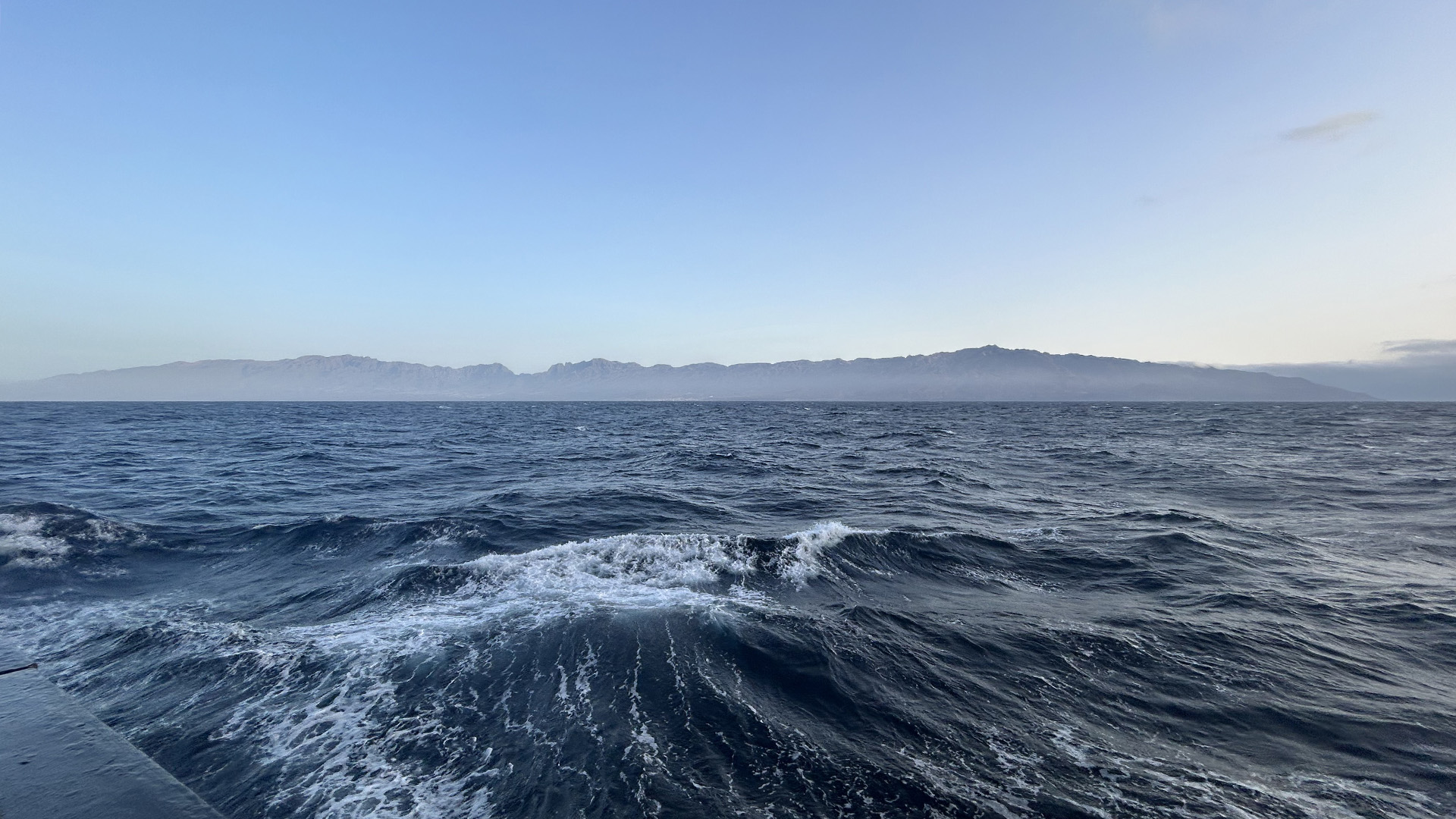
Seeing land for the first time in weeks!
Nearly everyone was able to get off the ship for a few hours the day of our port call, which will hopefully re-energize those continuing on for the second leg of the cruise. The small city has a beach with warm, clear, blue waters as well as plenty to eat and drink, including the Portuguese tart, Pastel de Nata. Suffice to say it was a welcome pit stop for all, but bittersweet to me as I say goodbye.
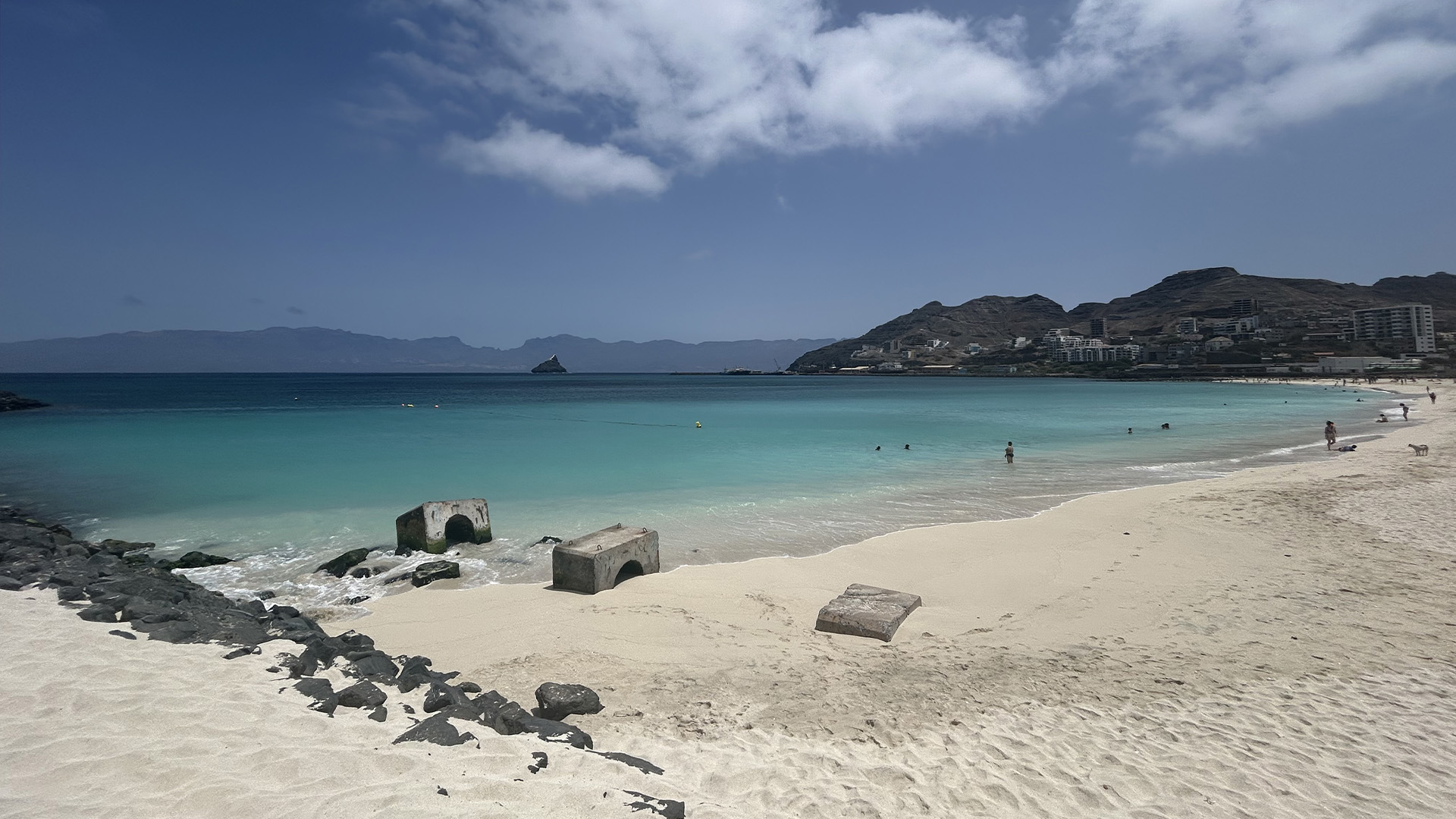
Mindelo has a small beach next to the port.
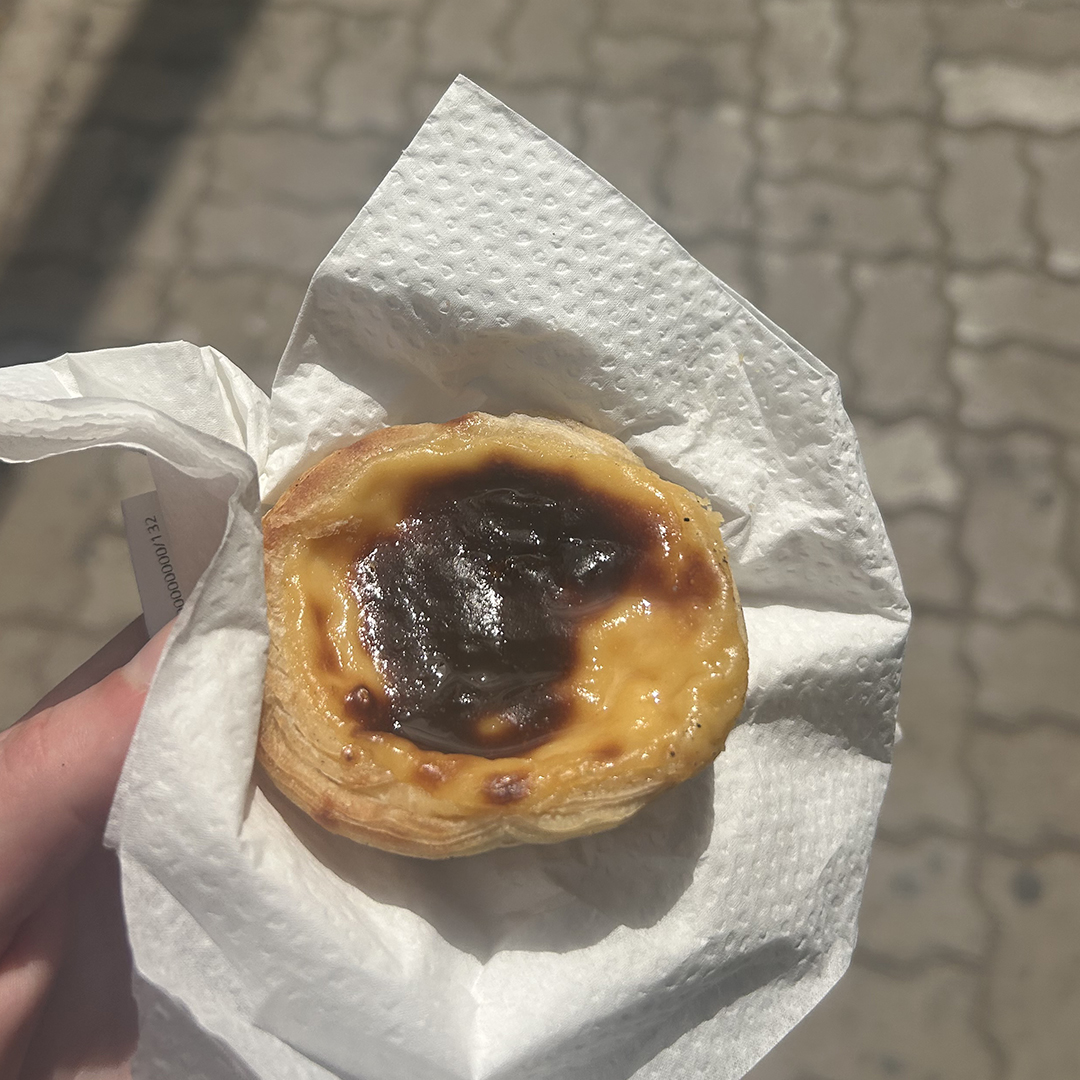
Can’t leave without trying Pastel de Nata.
On the journey down to Cape Verde, the waters became more productive due to wind-driven coastal upwelling, supplying nutrients to the surface ocean that in turn were able to sustain larger, more diverse organisms. Among those spotted were flying fish, squid, and petrels. Hopefully the Discovery will continue to encounter more nature as they head back north closer to the coast.
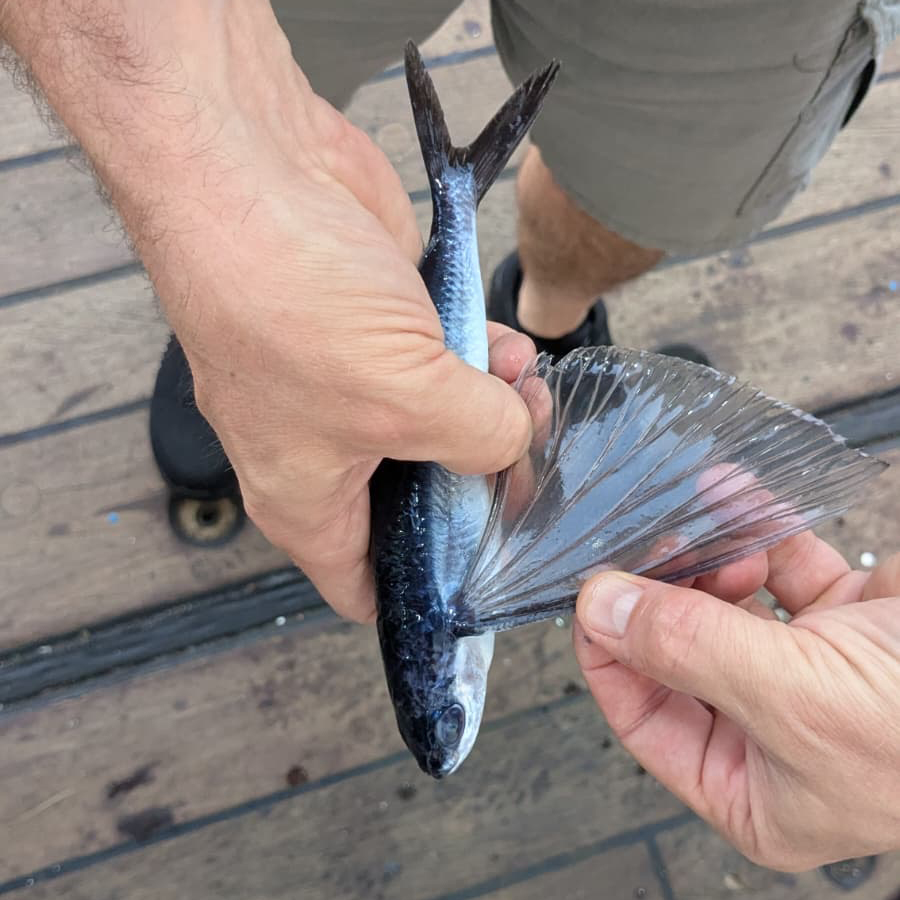
The flying fish were able to jump so high, several landed on the ship’s deck at various points along the journey. Photo credit: Dr. Tom Bell
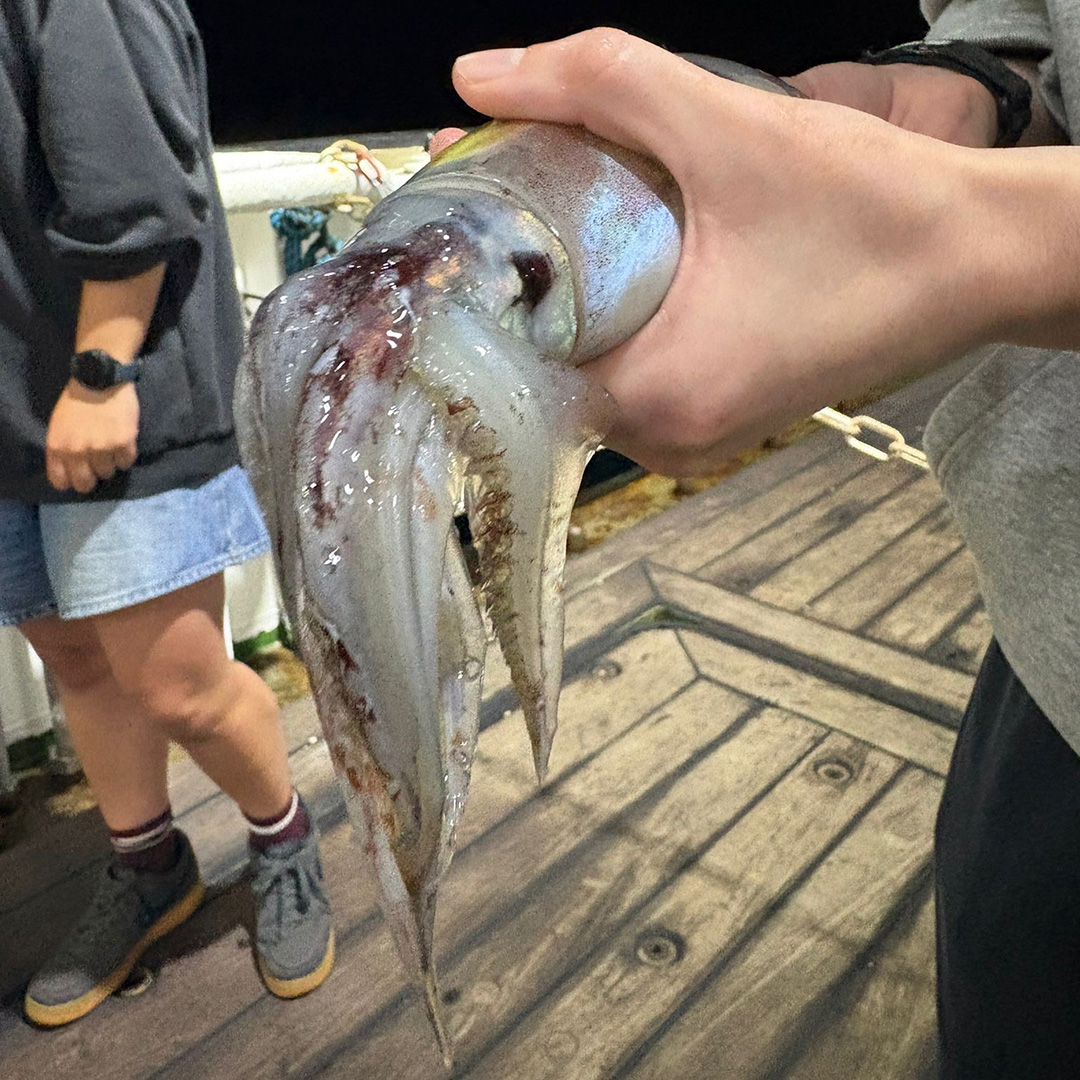
Fresh caught squid during the pre-dawn CTD cast; they can circulate ink under their skin to change colors from the light gray pictured here to a deep red. Photo Credit: Dr. Frances E. Hopkins
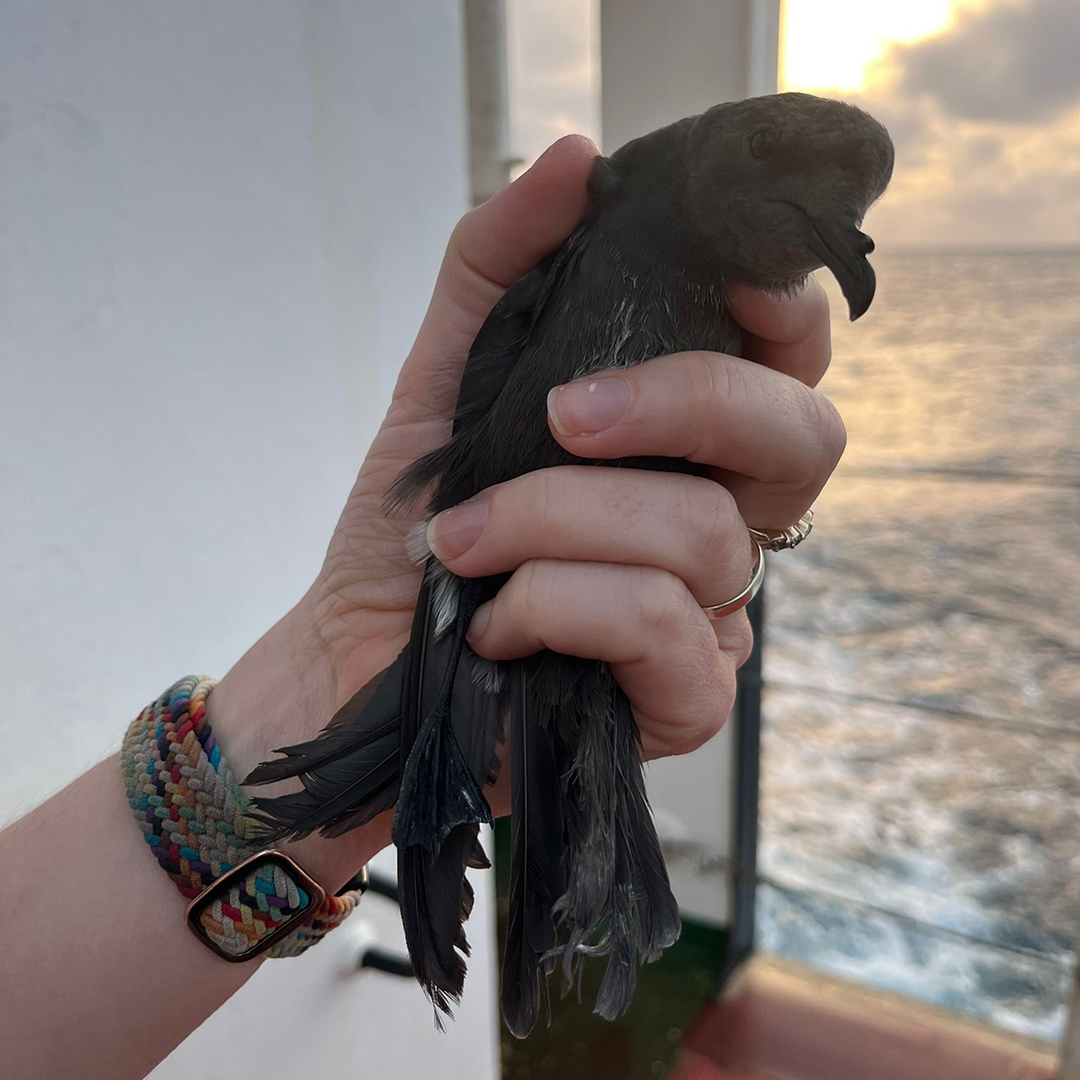
Petrels are birds that live primarily at sea and are able to drink salt water, expelling the salt through a tube in their beak. Photo credit: Dr. Ming-Xi Yang
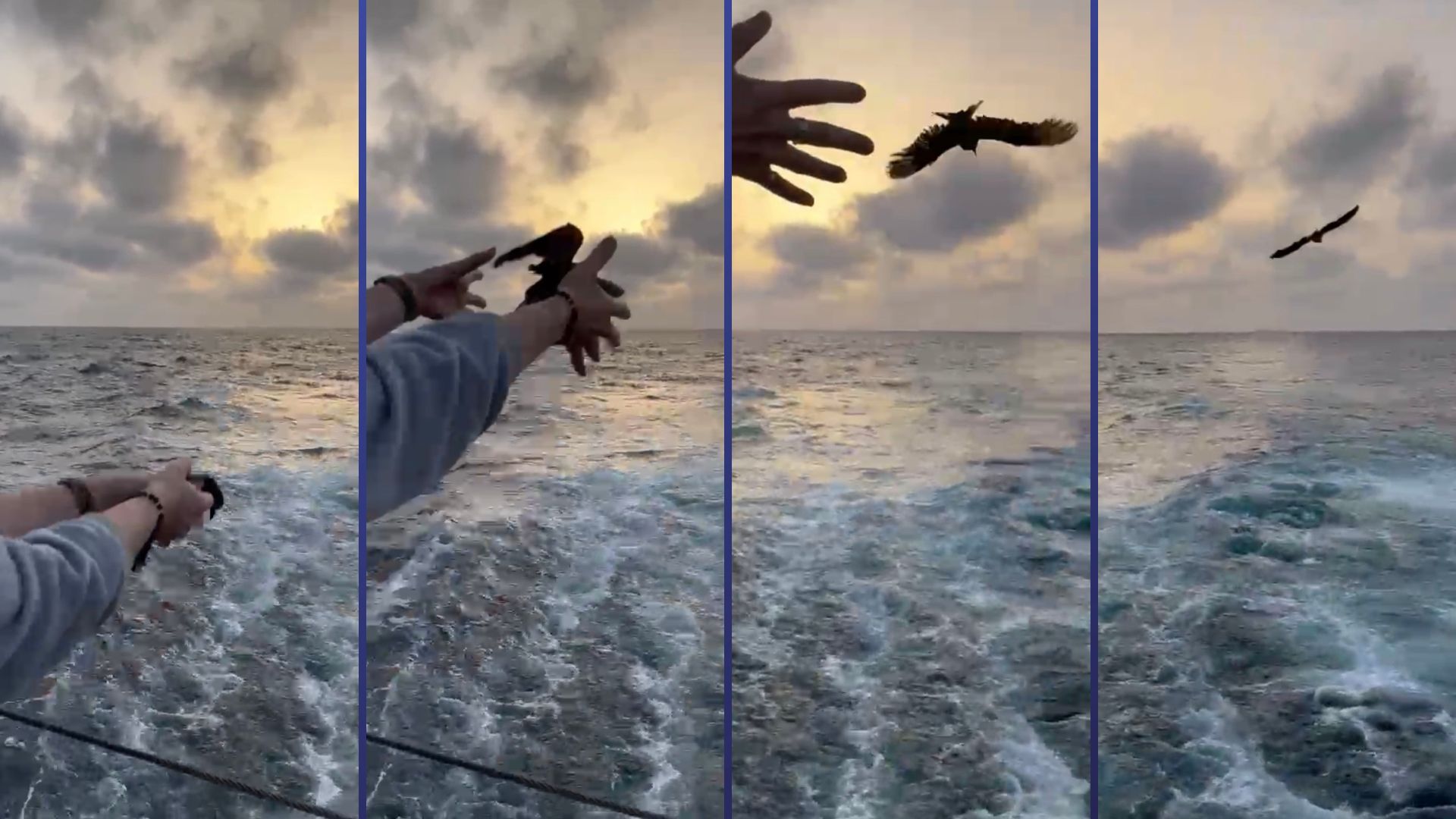
Screenshots from a video releasing a petrel back to the ocean – they get confused by the lights of the ship at night and end up on the deck. To keep them safe, they’re placed in carboard boxes until daylight, then released. Photo credit: Dr. Ming-Xi Yang
It’s hard to say goodbye after such a cool experience. Thank you to everyone on board for all their help, kindness, and the many shared laughs, and best of luck on the rest of the journey!!
About the Author— Amanda Pinson is a PhD student at Massachusetts Institute of Technology and Woods Hole Oceanographic Institution (MIT-WHOI Joint Program in Oceanography) as part of the Biogeochemical Ocean Observing and Modeling (BOOM) lab, and is onboard as the the Argo float ‘wrangler’ for this cruise.